GE Dishwasher Flashing FTD? I Replaced the Pressure Sensor in 15 Minutes
My fix: a phone call from home and a three-letter code
I was on a work trip when my wife called: the dishwasher wasn’t washing. It would stop mid-cycle, and the display said FTD. When I got home I looked it up: FTD is GE’s code for failure to drain.
The first thing I did was the unglamorous thing: I pulled the filters and cleaned out all the food gunk that collects underneath them. That maybe bought us one good run.
Then I went where the YouTube videos pointed. Take off the kick plate at the bottom of the machine, which is genuinely simple, and the water-level pressure sensor is right there, easy to pop off. I removed it, cleaned it up, and put it back. The dishwasher ran maybe one more time, and then FTD came back.
So instead of messing around any further, I figured out the exact part on Amazon, ordered it, and installed it. About 15 minutes, and most of that was working out how the new sensor snaps back into place. It has run great ever since.
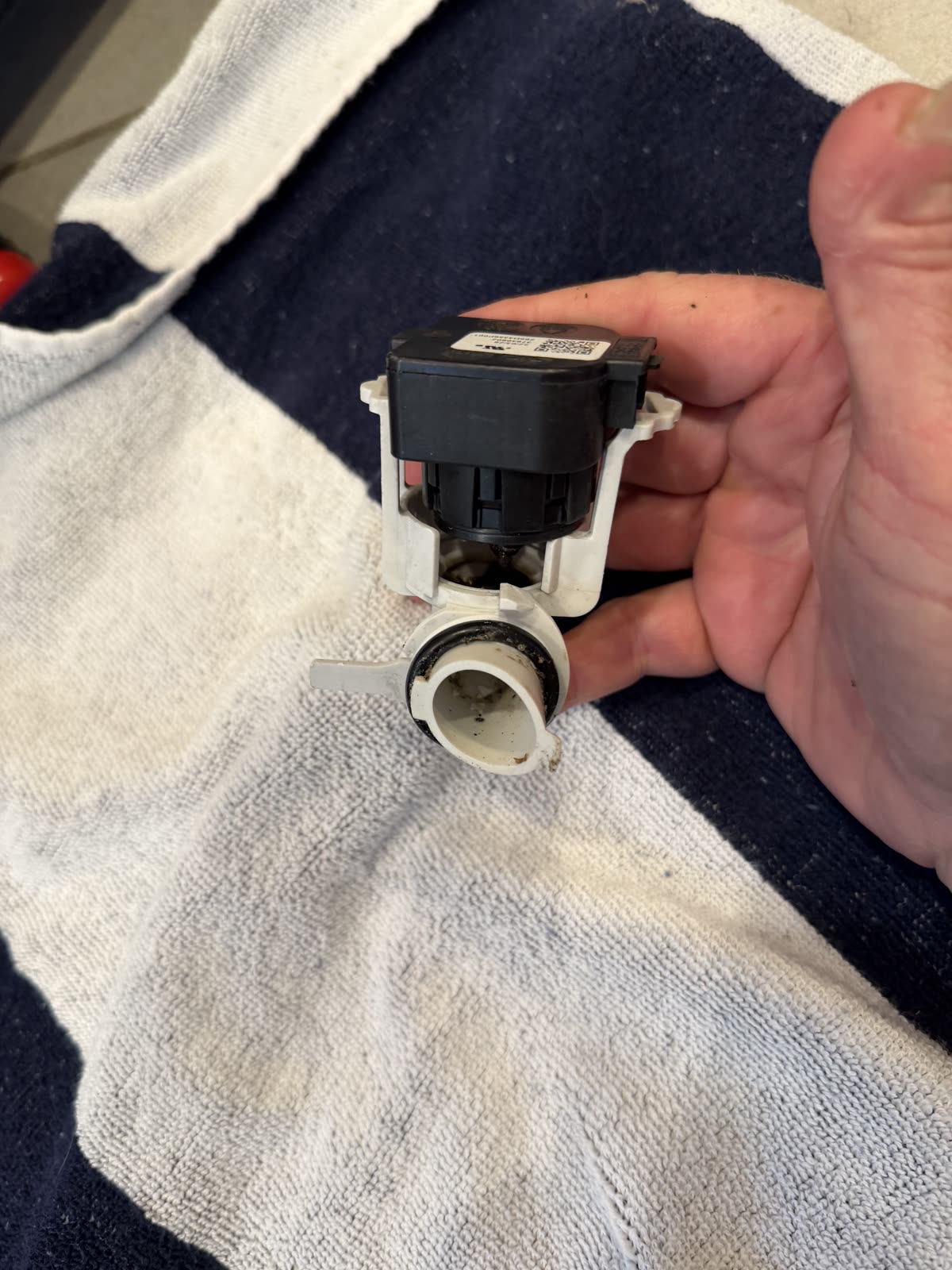
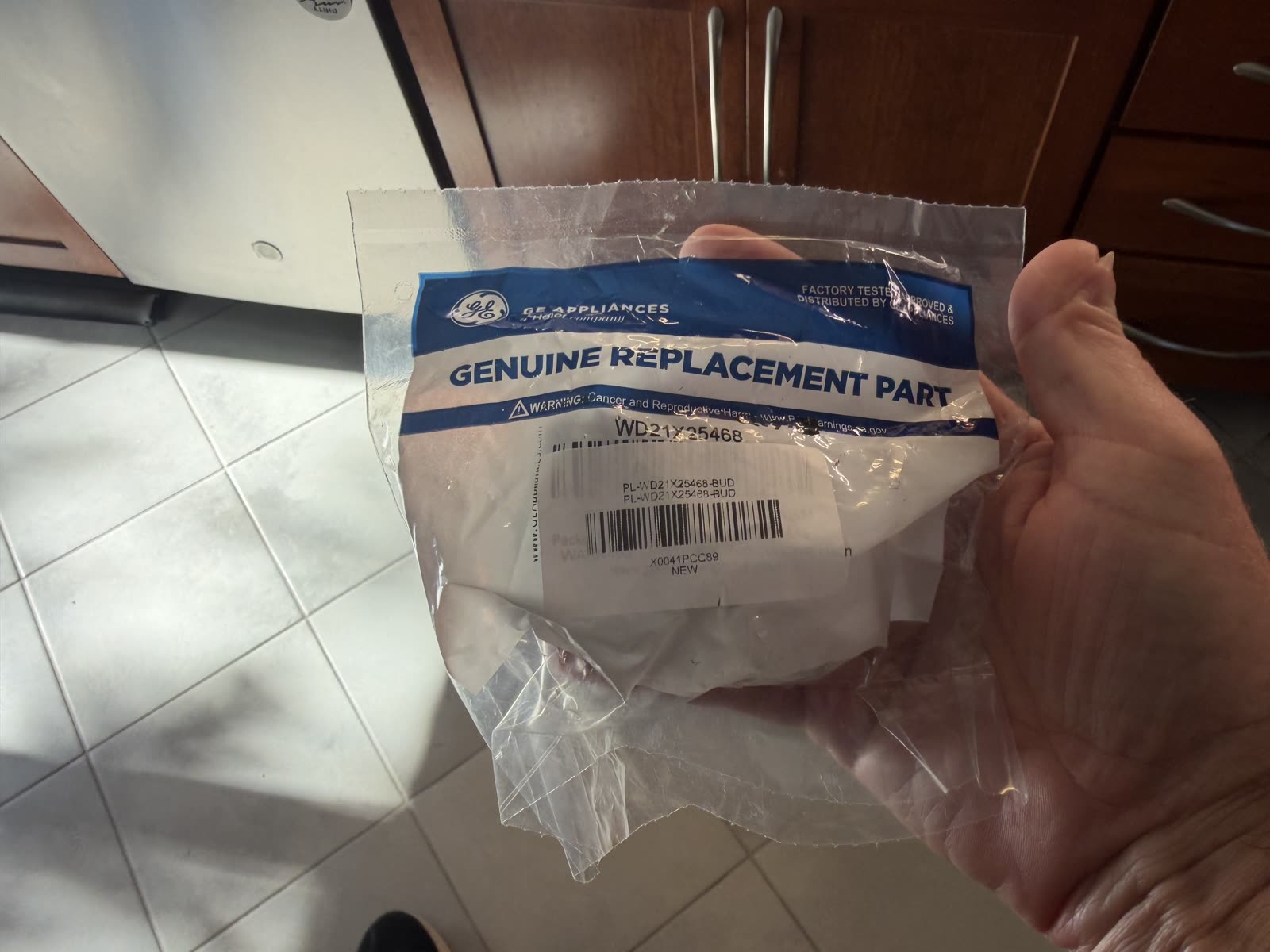
That’s my machine. But FTD covers a lot of ground, and replacing this sensor is the last move, not the first. Here’s the order that the owner reports and GE’s own guidance agree on.
First question: does it actually drain?
Everything about FTD sorts into two cases, and one observation separates them. Run a forced drain (on most GE models: hold Start/Reset about 3 seconds with the door closed) and watch.
Case 1: standing water stays in the tub. You have a real drain problem. Work the drain path below, and don’t buy any parts until you’ve been through it.
Case 2: the water leaves, and the code keeps coming anyway. The machine drains but doesn’t believe it drained. That’s a sensing problem, and it’s the case my machine was in. Skip to the sensor.
Case 1: the real drain-path checklist Official guidance
GE’s guidance points at the drain path, in roughly this order, before any parts:
- Reset once. Breaker off for a minute or two. If FTD returns, stop resetting and start diagnosing.
- Run the garbage disposer. A full disposer blocks the dishwasher’s drain outlet.
- New disposer recently? Confirm the knockout plug was removed. This is the classic new-install FTD.
- Check the drain hose under the sink for kinks and a proper high loop, and clean the air gap if you have one.
- Clean the filters and the sump. I did this Bottom rack out, twist out the ultra-fine filter, rinse, and clear the sump of food debris. This was my first move, and it’s the step people skip for years at a time.
- Inspect the drain pump for debris. Owner-reported Owner and tech reports say obstructions beat dead pumps on newer machines: glass shards, bones, rubber cutting-board feet, fruit stickers. Clear the standing water with a towel or shop vac first, and watch for broken glass.
Case 2: it drains, but FTD keeps coming — the sensor I did this
The water-level pressure sensor reads through a small port, and that port lives in the greasy, food-fouled water the machine handles every day. Owners report finding these sensors coated in black sludge; a fouled port means the board can’t tell the water actually left, so it declares a drain failure that never happened.
The repair sequence, exactly as I did it:
- Power off at the breaker.
- Remove the kick plate (a couple of screws).
- Find the sensor and pop it off. On my machine it came off easily; no tools inside the tub.
- Clean the sensor and the port it seats into, reinstall, and test. This is free, so do it first. But go in with expectations set: mine ran once and re-erred.
- When the code comes back, replace the sensor. Getting the new one seated and clipped back in is the whole job.
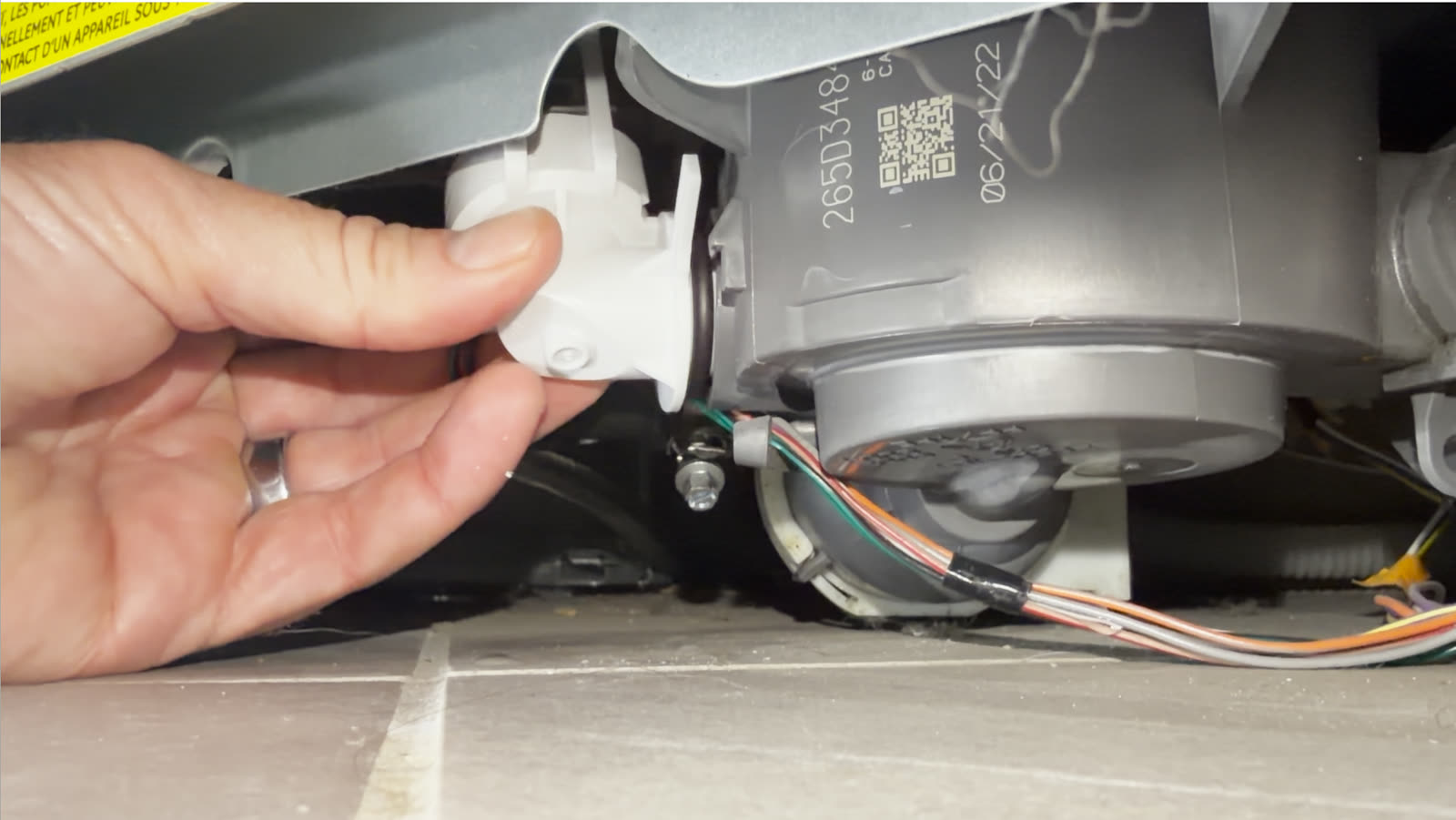
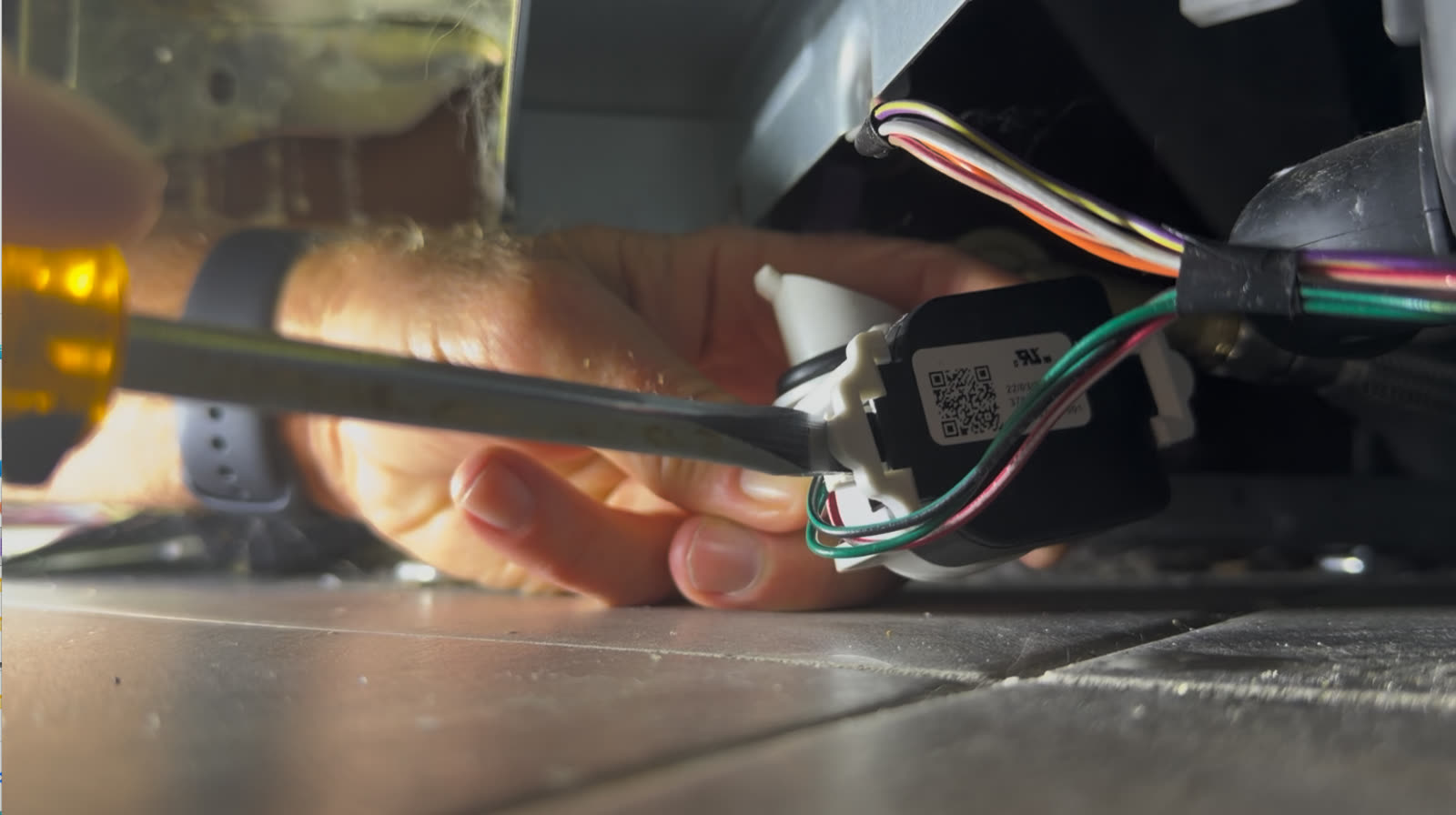

The part that ended it on my machine. Verify it fits your exact model number (on the door-frame tag) before ordering — GE builds many variants.
Price as of Aug 7, 2026 · As an Amazon Associate I earn from qualifying purchases.
Other GE dishwasher failures, briefly Owner-reported
The same research pile covered the neighboring symptoms. The short version:
| Symptom | First suspects |
|---|---|
| Pump hums, water doesn’t move | Debris in the impeller or drain path, not a dead pump |
| Pump silent on forced drain | Jammed/failed pump, wiring, or control; pump part WD19X25461 on some Profile models (verify by model) |
| Brand-new install throws FTD | Disposer knockout plug, crushed hose, missing high loop |
| Suds or water underneath | Wrong or too much detergent, rinse-aid spill; if water is under the machine, stop and find the leak before resetting |
| Fills but never sprays | Circulation pump or its wiring — a separate part from the drain pump |
| Start button blinks / three beeps | Door latch or switch sensing, harness, or a tripped current-sense module |
Prevention
Monthly filter cleaning is the whole program. Scrape the big stuff off plates, run the disposer before the dishwasher, use only automatic dishwasher detergent in the right amount, and glance at the air gap and hose when you’re under the sink anyway. The sensor sludge that ate my Saturday call is downstream of years of what the filters didn’t catch.
Chased an FTD code somewhere different, like the pump or the hose? Tell me what fixed yours. I’ll add it to the diary.