Pressure Washer Engine Won't Start? I Fixed Mine in 15 Minutes With a $30 Carb
My fix: the most useful thing a borrower ever told me
My friend borrowed my pressure washer and couldn’t get the engine to start. When he brought it back, he told me something genuinely helpful: with starting fluid it would fire right up, but it wouldn’t keep running.
That one sentence is most of the diagnosis. If the engine fires on starting fluid, the spark plug and ignition are doing their jobs. If it dies the moment the starting fluid burns off, fuel isn’t making it through the carburetor. It’s not a mystery; it’s a fuel problem with a known address.
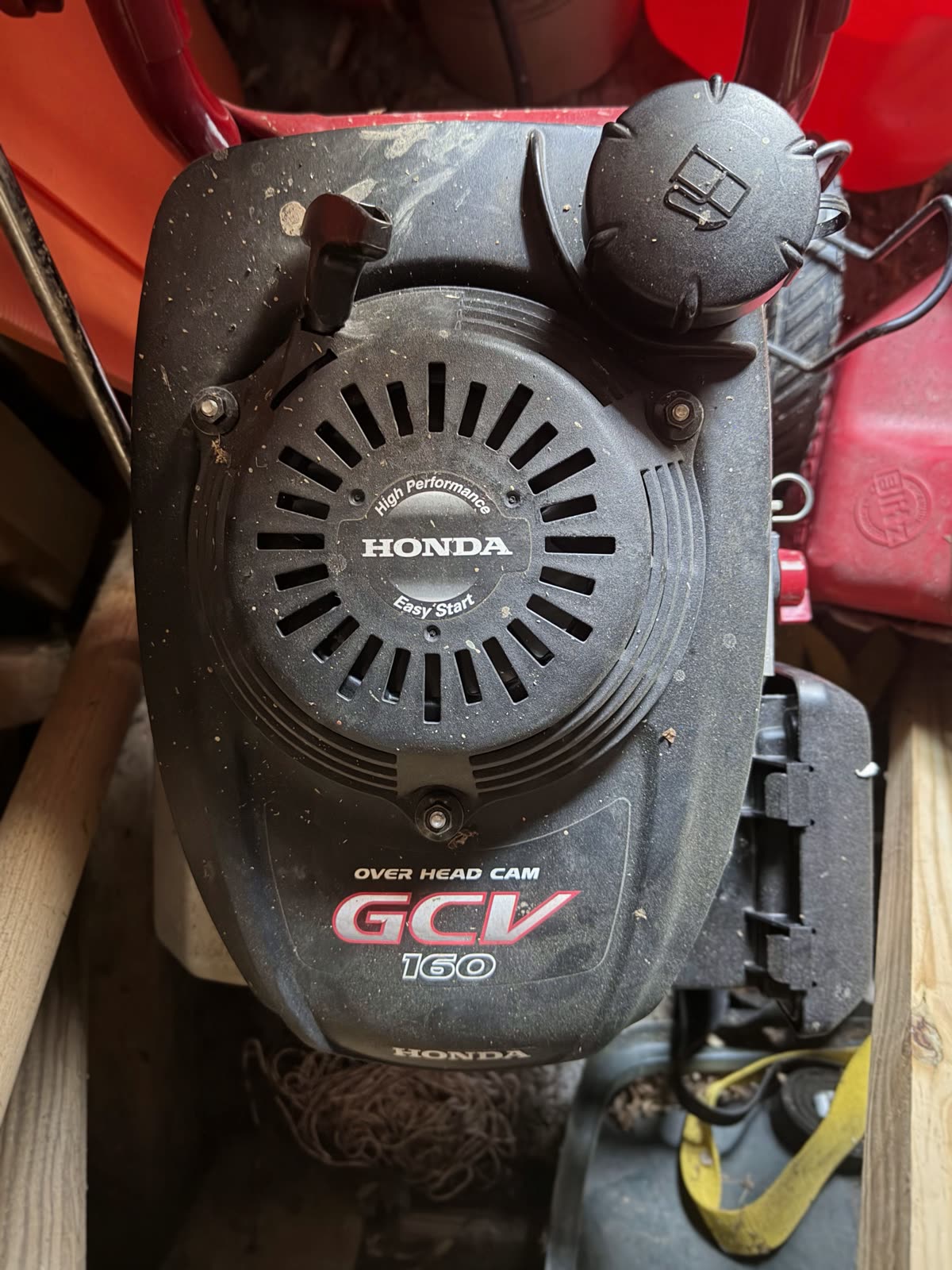
I tried to clean it first. The carb had other plans.
I did the research, watched a few YouTube teardowns, and pulled the carburetor. When I dropped the float bowl, the verdict was immediate: crusty. Gunk everywhere the fuel was supposed to be. This wasn’t a subtle diagnosis.
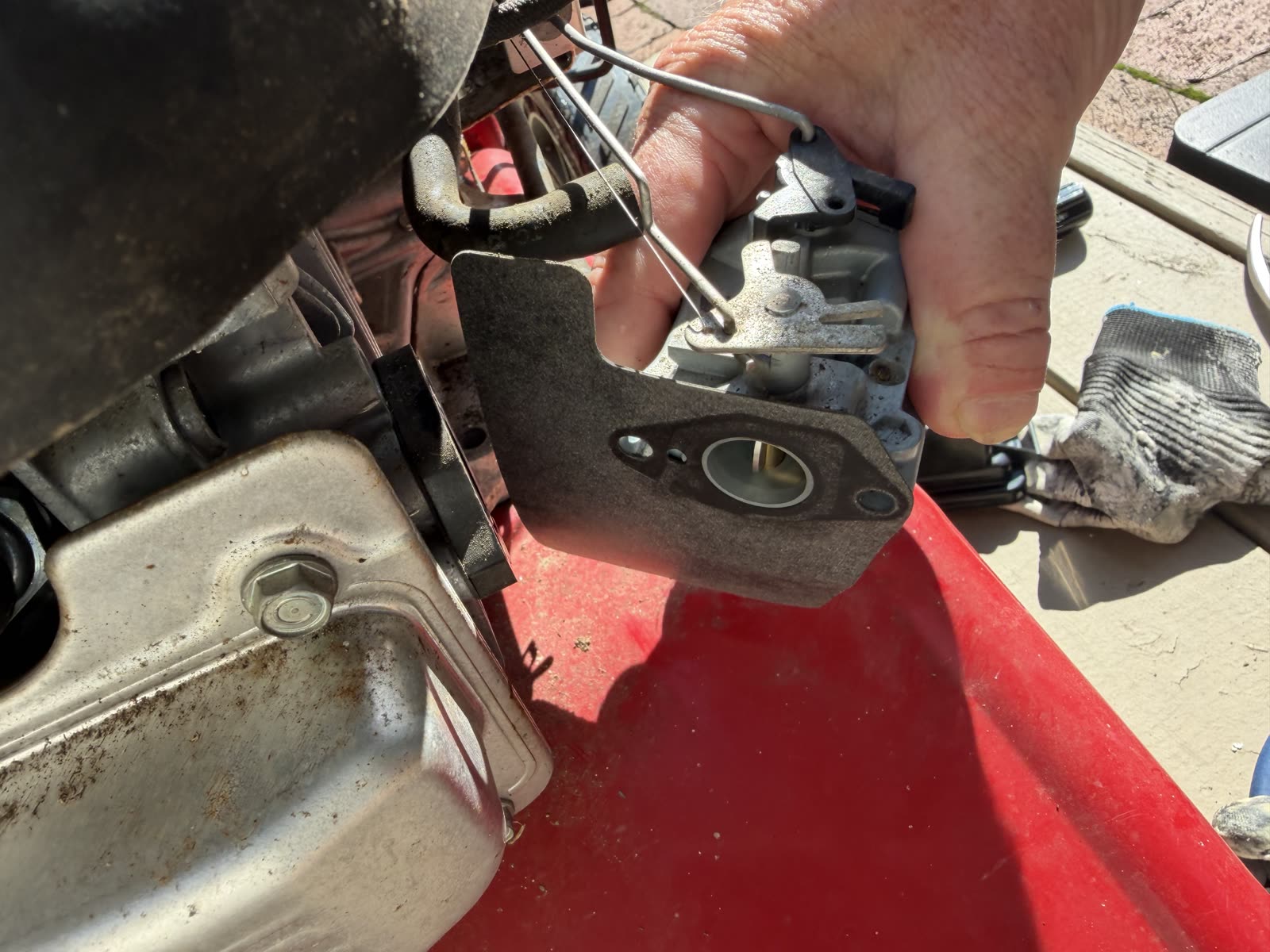
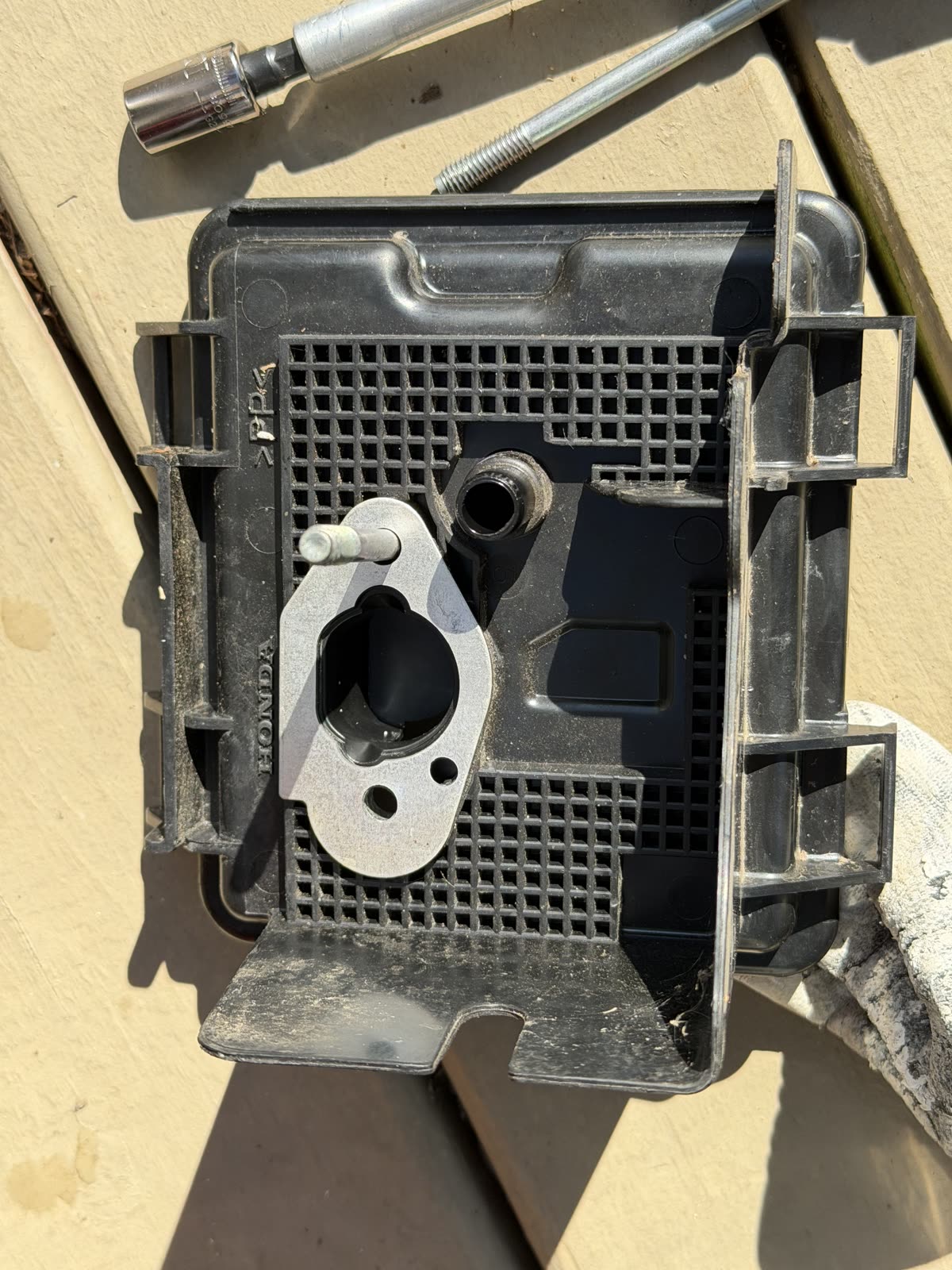
So I started the cleaning fix. And then one of the jets wouldn’t come out. I worked at it, it didn’t budge, and somewhere in there I had the thought that actually fixed this machine: I wonder what a new carburetor costs.
The $30 question I did this
The answer on Amazon: a genuine Honda carburetor for about $30. Not aftermarket. The real part, for the price of a decent lunch for two.
That made the decision simple. The old carb obviously needed significant cleaning, one jet was fighting me, and a cleaning is never guaranteed on the first try. I ordered the Honda carb, it arrived within a couple of days, and about 15 minutes after I started the job the new carb was on.
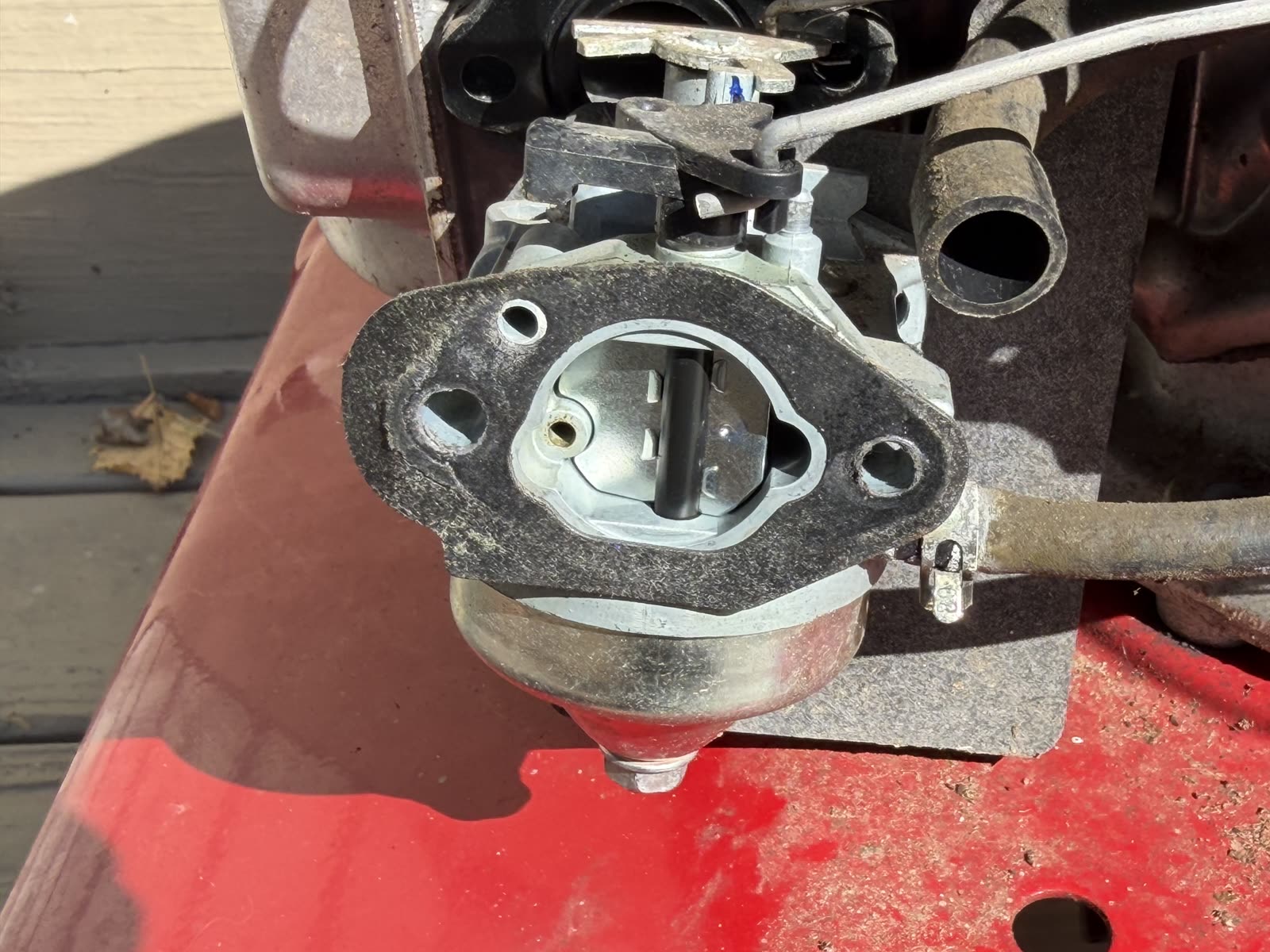
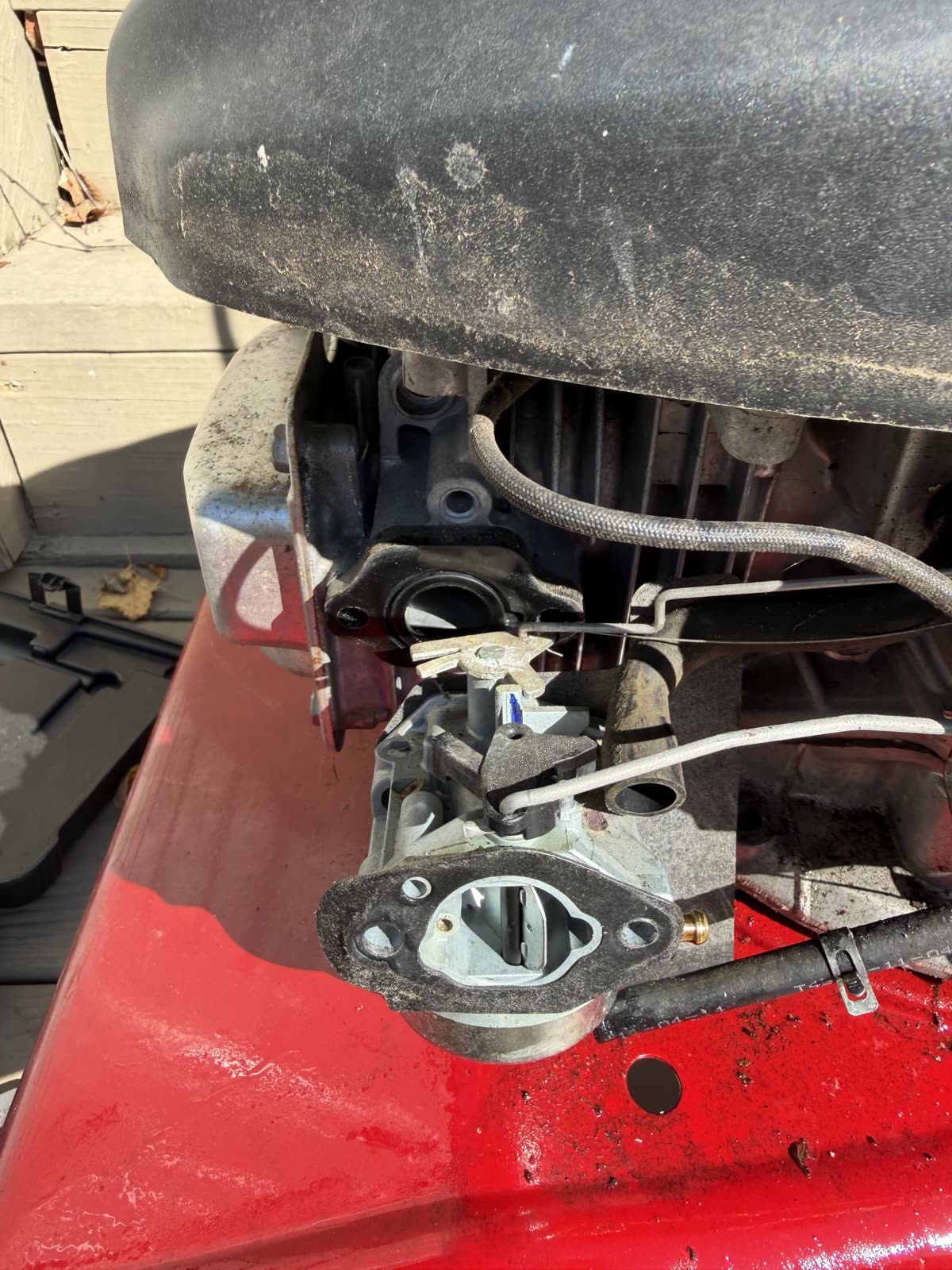
It started right up and has been running great ever since.

The fix. A genuine Honda part at an aftermarket price — I stopped fighting the stuck jet the moment I saw it.
Price as of Aug 7, 2026 · As an Amazon Associate I earn from qualifying purchases.
The math, in case your carb is fighting you too
I went into this one planning to clean, which is the opposite of my mower fix, where I swapped the carb without even trying. Between the two, the lesson has firmed up: cleaning is the right first instinct when it’s going smoothly, and the moment it stops going smoothly, a $25–30 carb beats your afternoon. A stuck jet is not a challenge. It’s a price signal.
Why pressure washer carbs die like this
Same root cause as every gummed-up small engine, and Honda’s own guidance Official guidance is blunt about it: gas left sitting in the fuel system turns to varnish. Pressure washers may have it worst of all, because most of them run a few weekends a year and sit full of fuel the rest of the time. Honda says to stabilize fuel past 30 days of storage and run the system empty past 90. The details, and the stabilizer that’s cheaper than any carb, are in the mower entry.
Got a small engine that starts and dies? Try the starting-fluid test and tell me what you find. I’ll add it to the diary.